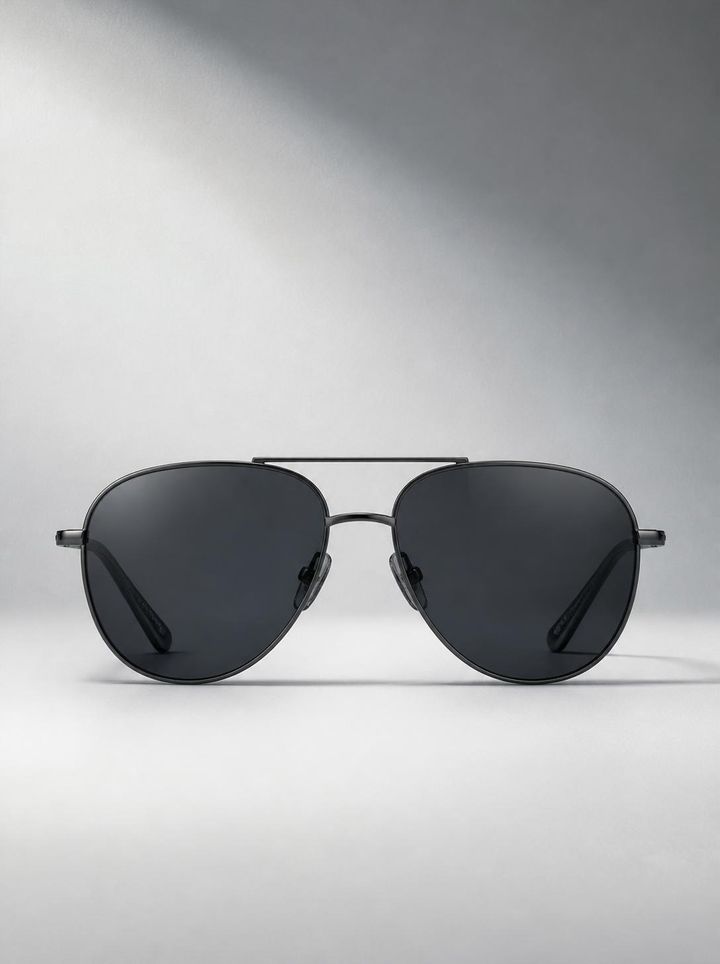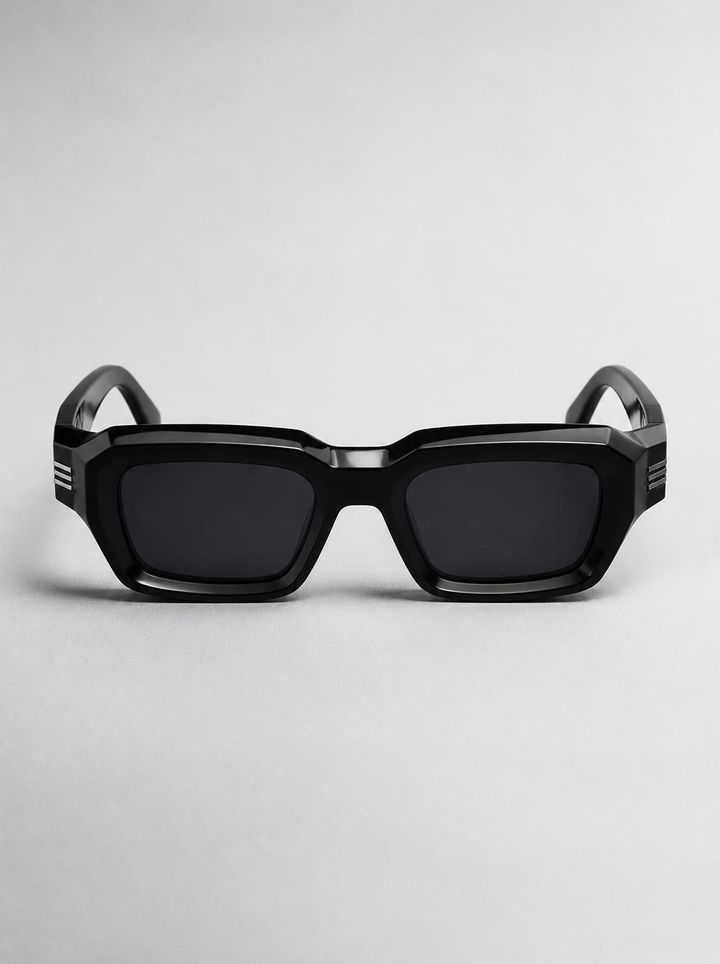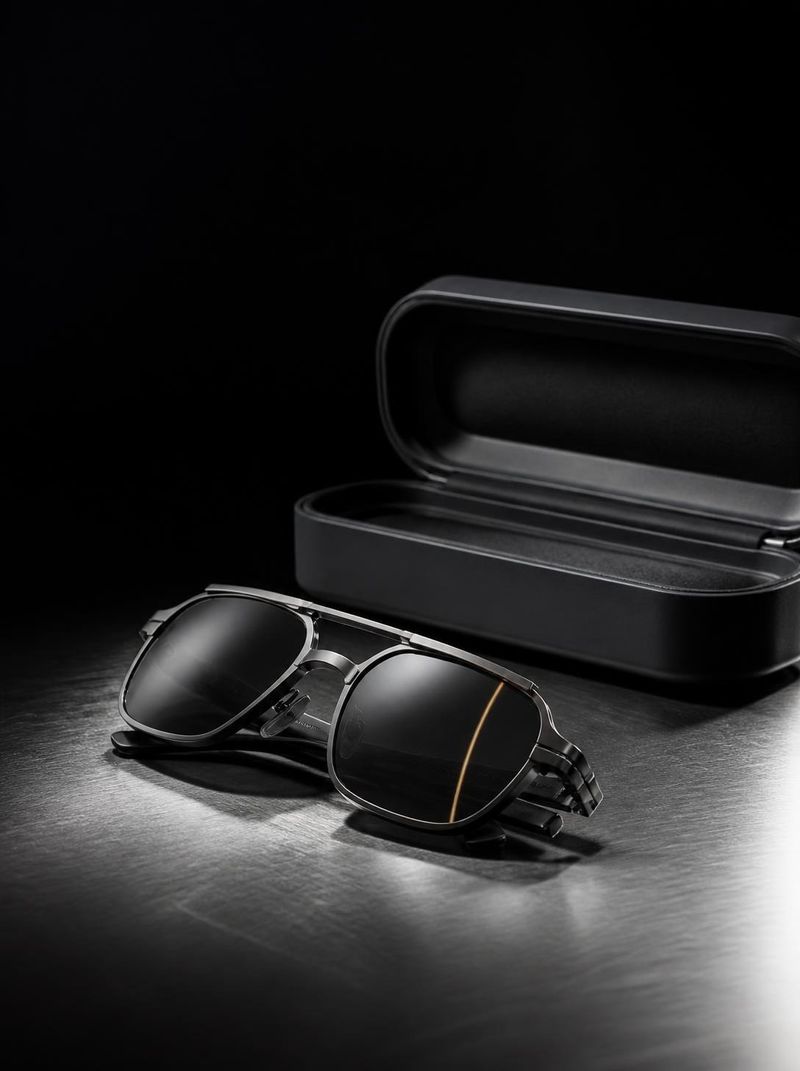
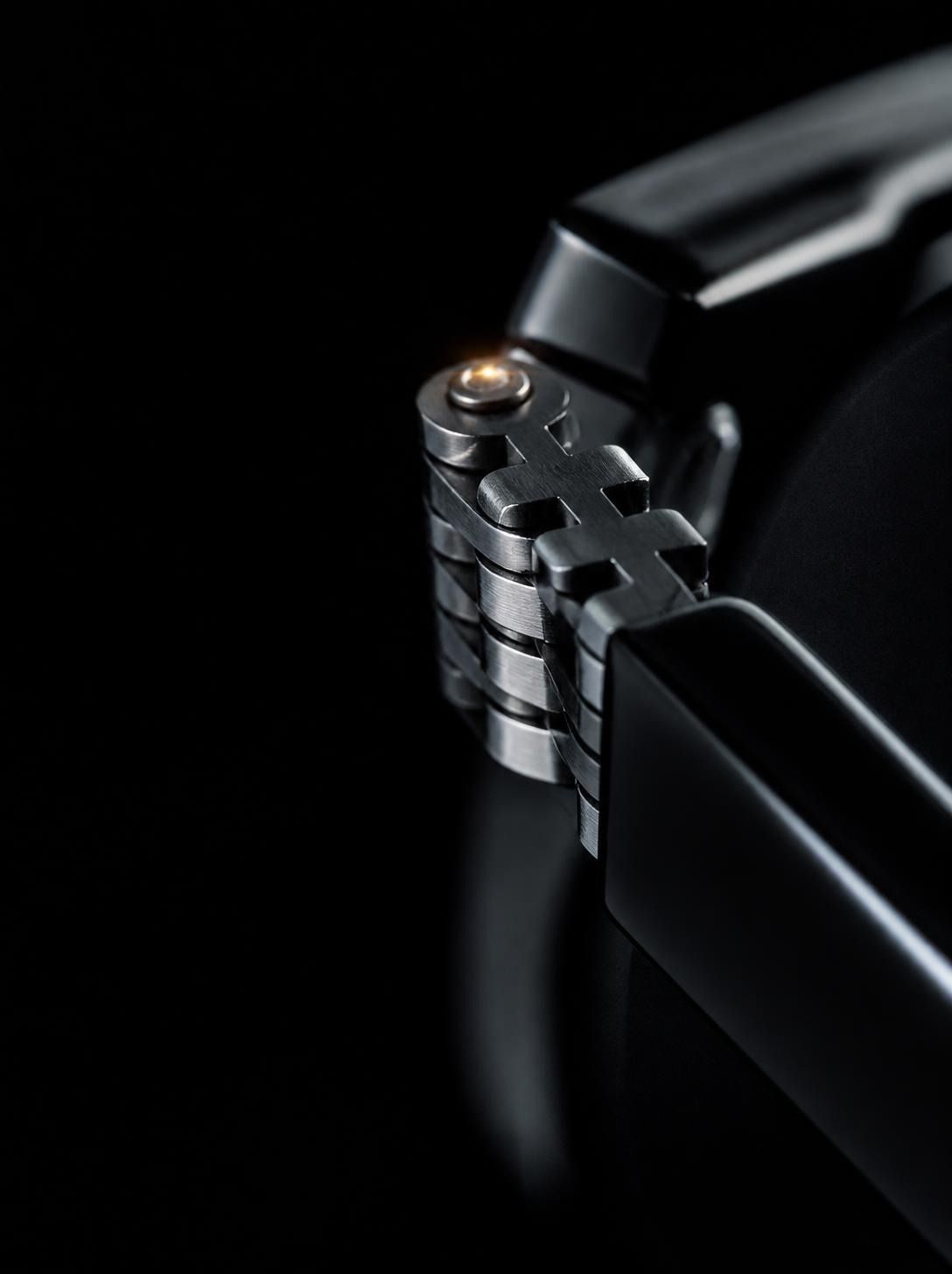
Every TIEFE frame is either cut from acetate or built in metal. The two feel different in the hand, age differently and suit different days. Here is what actually changes.
Acetate
Cellulose acetate is a plant-based plastic that arrives in solid blocks. Colour and pattern run all the way through, which is why a good tortoise looks deep rather than printed. Each front is cut from the block, then filed and tumbled before it is polished by hand. A steel core wire runs inside each temple so the arm can be adjusted with gentle heat.
Acetate is warm to the touch, a little heavier and very forgiving to wear. It suits bold shapes such as BLOCK, where the thickness is part of the design.
Titanium and steel
Titanium is light, strong and does not rust. It lets a frame be very thin without becoming fragile, which is why FLIEGER and FADEN feel like almost nothing on the face. Stainless steel is slightly heavier and takes a brushed finish well, as on KREIS. Metal frames usually come with adjustable nose pads, so the fit can be fine-tuned by any optician.
How they age
Acetate can soften if it is left somewhere hot, such as a car dashboard, and may need re-adjusting over the years. Metal keeps its shape but can bend if it is sat on. Both last a long time with a case and a little care.
So which one?
If you want a frame that makes a statement, choose acetate. If you want one you forget you are wearing, choose titanium. Plenty of people end up owning one of each: acetate for the weekend, metal for the commute.